Small Business Software Erp
Welcome to the world of small business ERP software! If you’re a small business owner looking to streamline your operations and improve efficiency, then you’ve come to the right place. ERP software can provide a wide range of benefits for small businesses, including improved communication, increased productivity, and better decision-making capabilities. By centralizing your data and processes in one system, you can save time and reduce errors, allowing you to focus on growing your business. Discover the many advantages of small business ERP software and take your business to the next level.

Benefits of ERP for Small Businesses
Enterprise Resource Planning (ERP) software is not just for large corporations. Small businesses can also benefit greatly from implementing an ERP system. Here are some of the key advantages that ERP can offer to small businesses:
1. Improved efficiency: One of the biggest benefits of ERP software for small businesses is the improvement in operational efficiency. ERP systems streamline and automate processes, reducing the need for manual data entry and eliminating the possibility of errors. With all data stored in one central system, employees can access real-time information quickly and easily, leading to faster decision-making and better overall productivity.
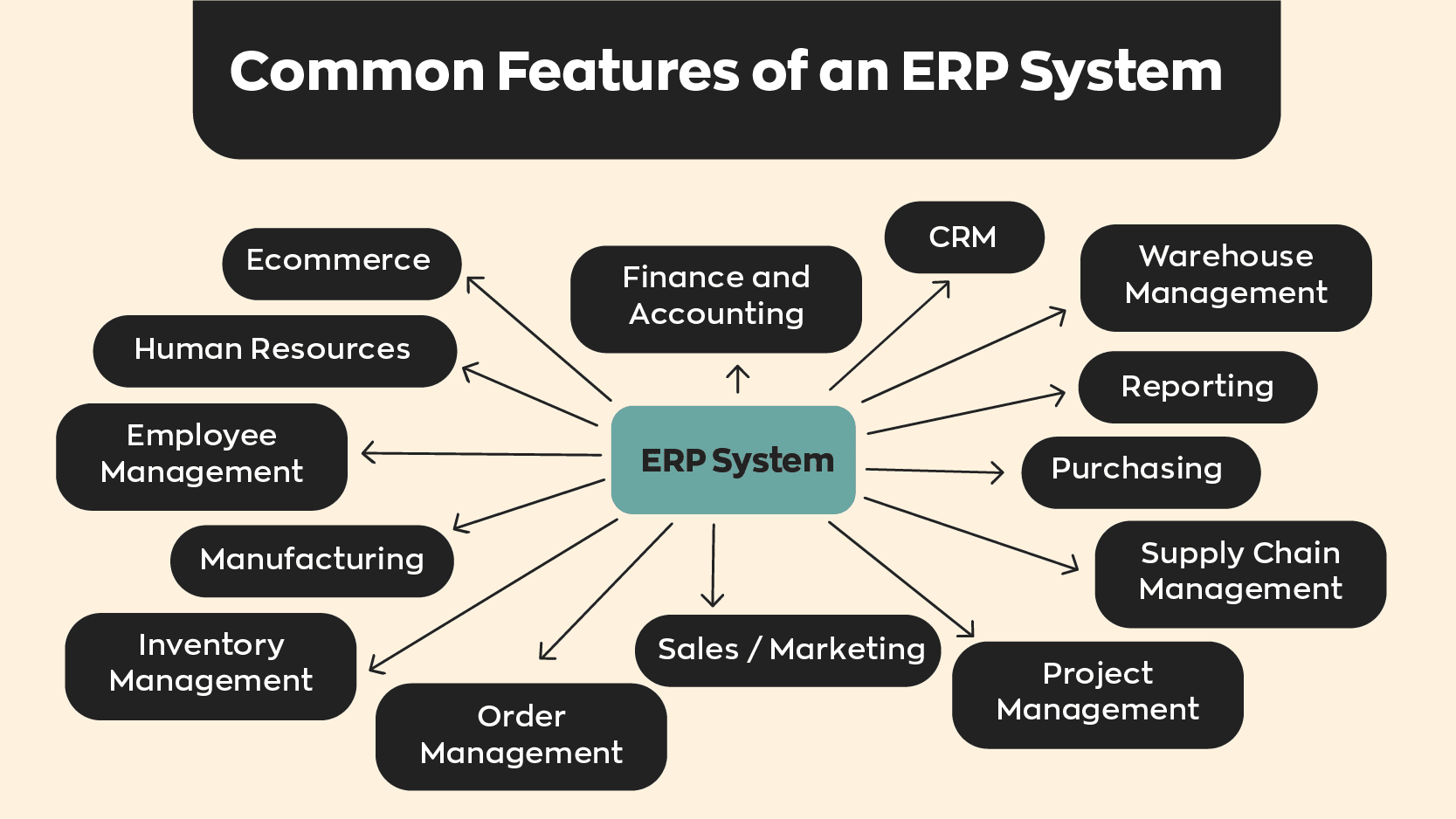
Furthermore, ERP software integrates different departments within a small business, allowing for seamless communication and collaboration. This means that sales teams can easily access inventory data from the warehouse, or finance teams can generate accurate financial reports without having to wait for information from other departments. This improved communication and data visibility can help small businesses operate more smoothly and effectively.
2. Cost savings: Although the initial investment in ERP software may seem daunting for small businesses, the long-term cost savings can far outweigh the upfront expenses. By automating mundane tasks and reducing the potential for human error, ERP systems can help small businesses save money on labor costs and avoid costly mistakes.
Additionally, ERP software can help small businesses optimize their inventory management, leading to reduced carrying costs and better control over stock levels. By having real-time visibility into inventory data, small businesses can avoid stockouts and overstock situations, ultimately saving money and improving customer satisfaction.
3. Scalability: Small businesses that plan to grow and expand in the future can benefit from ERP software’s scalability. As the business grows, the ERP system can easily accommodate increased data volumes and process complexity without the need for major upgrades or system changes. This means that small businesses can continue to use their ERP system as they expand, without having to worry about outgrowing the software.
4. Data security: With the rise of cyber threats and data breaches, small businesses need to prioritize data security. ERP software can help small businesses protect sensitive information by providing access controls, encryption, and regular data backups. By centralizing data in a secure system, small businesses can minimize the risk of unauthorized access and data loss, helping to protect both the business and its customers.
In conclusion, ERP software offers numerous benefits for small businesses, including improved efficiency, cost savings, scalability, and data security. By investing in an ERP system, small businesses can streamline their operations, optimize their processes, and position themselves for future growth and success.
Choosing the Right ERP System for Your Small Business
When it comes to choosing the right ERP system for your small business, there are a few key considerations to keep in mind. The first step is to assess your current business needs and goals. What are the specific challenges you are facing that you hope an ERP system can help solve? Are you looking to streamline your operations, improve efficiency, or scale your business for growth? Identifying your specific needs will help guide you in selecting the right ERP solution.
Once you have a clear understanding of your business needs, the next step is to research and compare different ERP systems. There are many ERP vendors in the market, each offering a range of features and functionalities. It’s important to consider factors such as cost, scalability, ease of use, integration capabilities, and industry-specific solutions when evaluating ERP systems.
Cost is a significant factor for small businesses, so it’s important to consider both the upfront costs of purchasing and implementing an ERP system, as well as ongoing costs such as maintenance, upgrades, and training. Some ERP systems are available as a subscription-based service, which can be more cost-effective for small businesses that may not have the budget for a large upfront investment.
Scalability is another important consideration when choosing an ERP system for your small business. You want a system that can grow with your business and adapt to your changing needs over time. Look for a solution that is flexible and can easily accommodate new users, additional features, and increased transaction volumes as your business expands.
The ease of use of an ERP system is also crucial for small businesses, as you want a solution that can be quickly implemented and adopted by your team. Look for an ERP system that offers intuitive interfaces, user-friendly dashboards, and comprehensive training and support resources to help your employees get up to speed quickly.
Integration capabilities are essential for small businesses that rely on multiple systems and tools to manage their operations. Look for an ERP system that can seamlessly integrate with other software applications, such as accounting software, CRM systems, e-commerce platforms, and inventory management tools. This will help streamline your operations and improve data accuracy and consistency across your organization.
Lastly, consider whether the ERP system offers industry-specific solutions that are tailored to the unique needs of your business sector. Some ERP vendors offer specialized solutions for industries such as manufacturing, retail, healthcare, and services, which can provide additional value and functionality for your business.
By carefully evaluating these key considerations and conducting thorough research, you can choose the right ERP system for your small business that will help streamline your operations, improve efficiency, and drive growth and success in the long run.
Implementing ERP in a Small Business Setting
Implementing an Enterprise Resource Planning (ERP) system in a small business setting can be a daunting task, but it is essential for improving productivity, streamlining processes, and gaining a competitive edge in the market. Small businesses often have limited resources and budget constraints, making it crucial to carefully plan and execute the ERP implementation process.
1. Assessing the Needs of the Business: Before implementing an ERP system, it is important to assess the needs and requirements of the business. This includes identifying the areas that need improvement, such as inventory management, sales forecasting, or financial reporting. By understanding the specific needs of the business, small business owners can choose an ERP system that is tailored to their requirements.
2. Selecting the Right ERP System: Once the needs of the business have been identified, the next step is to select the right ERP system. Small businesses should choose an ERP system that is scalable, user-friendly, and affordable. It is important to consider factors such as the size of the business, the number of users, and the budget when selecting an ERP system. Small businesses can opt for cloud-based ERP solutions, which offer flexibility and cost-effectiveness.
3. Planning the Implementation Process: Planning is key to a successful ERP implementation in a small business setting. Small business owners should create a detailed project plan that outlines the objectives, timeline, resources, and milestones of the implementation process. It is important to involve key stakeholders in the planning process and communicate the goals and benefits of the ERP system to employees.
Furthermore, small businesses should allocate resources for training and support to ensure that employees are well-equipped to use the ERP system effectively. Training sessions should be conducted to familiarize employees with the features and functionalities of the ERP system.
4. Testing and Deployment: Before fully deploying the ERP system, small businesses should conduct thorough testing to identify any issues or bugs. Testing allows for any necessary adjustments to be made before the system goes live. Once testing is complete, the ERP system can be deployed across the organization. Small businesses should monitor the performance of the ERP system post-implementation to ensure that it is functioning as intended.
5. Continuous Improvement: ERP implementation is an ongoing process that requires continuous improvement and optimization. Small businesses should regularly review and update their ERP system to adapt to changing business needs and technological advancements. By continuously improving the ERP system, small businesses can drive efficiency, cost savings, and growth.
In conclusion, implementing an ERP system in a small business setting can be a transformative process that boosts productivity and enhances competitiveness. By carefully assessing the needs of the business, selecting the right ERP system, planning the implementation process, testing and deploying the system, and focusing on continuous improvement, small businesses can successfully leverage ERP technology to drive business success.
Common Challenges Faced by Small Businesses when Implementing ERP
Implementing an Enterprise Resource Planning (ERP) system can be a daunting task for small businesses. While ERP software can greatly streamline operations and improve efficiency, there are several common challenges that small businesses may face during the implementation process.
1. Cost: One of the biggest challenges for small businesses when implementing ERP software is the cost involved. ERP systems can be expensive to purchase and implement, and small businesses may struggle to find room in their budget for such a significant expense. Additionally, ongoing maintenance and support costs can add up over time, making it difficult for small businesses to afford the necessary upgrades and updates to keep their ERP system running smoothly.
2. Complexity: ERP systems are inherently complex, with many different modules and functionalities that need to be customized to meet the specific needs of a business. Small businesses may lack the resources or expertise to properly configure and integrate their ERP system, leading to inefficiencies and errors in their operations. Furthermore, training employees to use the new system effectively can be a time-consuming process, further adding to the complexity of implementing ERP software.
3. Resistance to Change: People are creatures of habit, and employees may be resistant to changing the way they have always done things. Implementing an ERP system often requires significant changes to business processes and workflows, which can be met with resistance from employees who are comfortable with the status quo. Overcoming this resistance and getting buy-in from all levels of the organization is crucial for a successful ERP implementation.
4. Data Migration and Integration: One of the most challenging aspects of implementing ERP software for small businesses is the task of migrating and integrating existing data from various systems and sources. Migrating data from legacy systems into the new ERP system can be a complex and time-consuming process, requiring careful planning and coordination to ensure that data is transferred accurately and securely. Additionally, integrating data from different departments and sources within the organization can be a challenge, as siloed data can lead to inconsistencies and errors in reporting and decision-making.
5. Scalability: Small businesses must consider the scalability of their ERP system when choosing a software solution. As the business grows and evolves, the ERP system must be able to scale up to meet the changing needs of the organization. Implementing an ERP system that is not scalable can lead to additional costs and complexities down the line, as the business outgrows the capabilities of the software.
In conclusion, while implementing an ERP system can provide numerous benefits for small businesses, there are several challenges that must be overcome to ensure a successful implementation. By addressing these common challenges head-on and taking a strategic approach to the implementation process, small businesses can maximize the value of their ERP system and drive growth and success in the long run.
Cost-effective Solutions for Small Business ERP Integration
When it comes to integrating ERP software into small businesses, cost is a major factor. Small businesses typically have limited budgets and resources, so finding cost-effective solutions is essential. Fortunately, there are several options available that can help small businesses integrate ERP systems without breaking the bank.
One cost-effective solution for small businesses looking to integrate ERP software is to consider cloud-based ERP systems. Cloud-based ERP systems offer a more affordable alternative to traditional on-premise solutions as they eliminate the need for expensive hardware and maintenance costs. Additionally, cloud-based ERP systems typically offer flexible pricing plans, allowing small businesses to only pay for the features and services they need.
Another cost-effective option for small businesses is to opt for open-source ERP software. Open-source ERP software is often free to use and can be customized to meet the specific needs of a small business. While there may be costs associated with implementation and support, open-source ERP software can still be a more affordable option compared to proprietary ERP systems.
Small businesses can also consider choosing a modular ERP system, which allows them to only purchase the modules they need at the moment. This can help reduce initial costs and allow small businesses to scale their ERP system as their needs grow. By only paying for the modules they use, small businesses can avoid unnecessary expenses associated with implementing a full ERP system.
Additionally, small businesses can save costs by opting for ERP systems that offer easy integration with other software and applications. Seamless integration can help reduce the time and resources needed to implement an ERP system, ultimately saving small businesses money. Choosing an ERP system with a user-friendly interface can also help lower training and support costs, as employees will be able to easily navigate and use the system.
Finally, small businesses can explore the option of partnering with an ERP vendor that offers affordable pricing plans and customizable packages for small businesses. Some ERP vendors offer special discounts or promotions for small businesses, making it easier for them to afford an ERP system. By working closely with an ERP vendor, small businesses can find a cost-effective solution that meets their budget and requirements.
Originally posted 2025-12-30 03:49:10.