Home Security Systems
Welcome, dear readers, to a comprehensive guide on home security systems. In today’s world, it is more important than ever to protect your home and loved ones from potential threats. With the advancement of technology, there are a variety of options available to ensure the safety and security of your property. From smart cameras to motion sensors, this guide will take you through the different types of home security systems and help you choose the best one for your needs.

Importance of Home Security Systems
Home security systems are essential in ensuring the safety and protection of your family and belongings. With crime rates on the rise, it is crucial to invest in a reliable system that can deter potential intruders and provide you with peace of mind.
One of the primary benefits of having a home security system is the added layer of protection it offers. With surveillance cameras, motion detectors, and alarm systems in place, you can rest assured that your home is being monitored 24/7. In the event of a break-in or emergency, the system will alert you and the authorities, potentially preventing a burglary or vandalism.
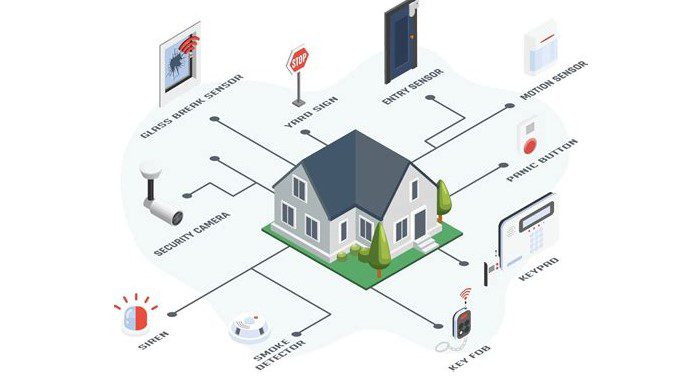
Moreover, home security systems can also help prevent other types of emergencies, such as fires or carbon monoxide leaks. Many modern systems come equipped with smoke detectors and carbon monoxide sensors, which can detect any potential hazards and alert you immediately. This early warning can be life-saving, especially if you are not home when the emergency occurs.
Aside from providing a sense of security, home security systems can also lower your homeowner’s insurance premiums. Insurance companies often offer discounts to homeowners who have installed security systems, as they are less likely to file a claim for theft or damages. This can result in significant savings over time, making the initial investment in a security system well worth it.
Another benefit of having a home security system is the ability to remotely monitor your property. With the rise of smart home technology, many security systems can be controlled and monitored through a smartphone app. This means you can check on your home, arm or disarm the system, and receive alerts no matter where you are. Whether you are at work, on vacation, or simply running errands, you can have peace of mind knowing that your home is secure.
In conclusion, the importance of home security systems cannot be overstated. Investing in a reliable system can provide you with added protection, peace of mind, and potential cost savings. With crime rates increasing and emergencies unpredictable, having a security system in place is a smart decision for any homeowner. Don’t wait until it’s too late – take the necessary steps to protect your home and loved ones today.
Types of Home Security Systems
When it comes to securing your home and ensuring the safety of your loved ones, there are a variety of home security systems to choose from. These systems utilize different technologies and features to provide varying levels of protection. Below are the most common types of home security systems:
1. **Monitored Security Systems:** Monitored security systems are professionally monitored by a central monitoring station. When a sensor is triggered, such as a motion detector or door/window sensor, the system sends a signal to the monitoring station. The trained staff at the monitoring station then assesses the situation and contacts the appropriate authorities if needed. Monitored systems provide peace of mind, as someone is always watching over your home, even when you’re not there. They are ideal for homeowners who want 24/7 protection and support.
2. **Wireless Security Systems:** Wireless security systems are becoming increasingly popular due to their ease of installation and flexibility. These systems use wireless technology to communicate between the sensors, control panel, and monitoring station. This eliminates the need for running wires throughout your home, making installation quick and hassle-free. Additionally, wireless systems can be easily expanded or moved if needed, providing flexibility for homeowners who may change or upgrade their security system in the future.
3. **Do-It-Yourself (DIY) Security Systems:** DIY security systems are designed for homeowners who prefer to install and monitor their own security system. These systems typically come in a kit with all the components needed for installation, including sensors, cameras, and a control panel. DIY systems are easy to set up and can often be done without the need for professional assistance. They are a cost-effective option for homeowners who want to save money on installation fees and monthly monitoring costs.
4. **Smart Home Security Systems:** Smart home security systems integrate with other smart home devices, such as lights, locks, thermostats, and cameras, to provide a comprehensive security solution. These systems can be controlled remotely via a smartphone app, allowing homeowners to monitor their home from anywhere. They also offer advanced features like real-time alerts, video streaming, and home automation capabilities. Smart home security systems are ideal for tech-savvy homeowners who want a seamless integration of security and convenience.
5. **Outdoor Security Systems:** Outdoor security systems focus on securing the exterior of your home, including entry points, outdoor areas, and perimeters. These systems typically include outdoor cameras, motion sensors, and lighting to deter intruders and provide visibility of any suspicious activity. Outdoor security systems are essential for homeowners who want to protect their property from potential threats and vandalism.
Choosing the right type of home security system depends on your specific needs, budget, and preferences. It’s important to research and compare different systems to find the one that best suits your home and provides the level of protection you desire.
Benefits of Installing Home Security Systems
Having a home security system offers numerous benefits that can provide peace of mind and added security for your household. Here are some reasons why installing a home security system is a smart investment:
1. Deters Crime: One of the primary benefits of having a home security system is that it can deter potential intruders from targeting your property. The mere presence of security cameras or alarm systems can make criminals think twice before attempting a break-in. In fact, studies have shown that homes without security systems are more likely to be targeted by burglars. By installing a security system, you are taking proactive steps to protect your home and your loved ones.
2. Provides Remote Monitoring: Modern home security systems often come with features that allow you to monitor your property remotely. With the help of smartphone apps or online portals, you can check in on your home from anywhere in the world. Whether you are at work, on vacation, or simply running errands, you can keep an eye on your property and receive real-time alerts if any suspicious activity is detected. This added level of control and visibility can give you peace of mind and enhance the overall security of your home.
3. Protects Against Fire and Carbon Monoxide: In addition to deterring burglars, home security systems can also help protect your family from other potential dangers such as fires and carbon monoxide leaks. Many security systems come equipped with smoke detectors and carbon monoxide detectors that can alert you in case of an emergency. These lifesaving devices can provide early warnings of a fire or gas leak, giving you and your family valuable time to evacuate safely. By integrating these features into your home security system, you can ensure comprehensive protection for your household.
4. Lowers Home Insurance Costs: Another advantage of installing a home security system is that it can lead to lower home insurance premiums. Insurance companies often offer discounts to homeowners who have security systems in place, as these systems reduce the risk of property damage and theft. By investing in a security system, you can not only protect your home but also save money on insurance costs in the long run.
5. Increases Resale Value: A home security system is a valuable asset that can enhance the resale value of your property. Potential buyers are often willing to pay more for a home that is equipped with a security system, as it provides an extra layer of protection and peace of mind. By investing in a security system, you can make your home more attractive to prospective buyers and increase its overall market value.
Overall, installing a home security system offers a range of benefits that can enhance the safety, security, and value of your property. From deterring crime to providing remote monitoring, a security system can give you the peace of mind you need to feel safe and protected in your own home.
Factors to Consider when Choosing a Home Security System
When it comes to choosing a home security system, there are several important factors that you should consider to ensure that you are selecting the right system for your needs. These factors can range from the size of your home to your budget and even to the type of monitoring you prefer. Here are some key factors to keep in mind:
1. Type of System: The first thing you will need to consider is what type of system you want for your home. There are several options available, including wired systems, wireless systems, and DIY systems. Wired systems are typically more reliable, but they can be harder to install. Wireless systems are easier to install and can be more flexible, but they may be less secure. DIY systems are becoming increasingly popular as they allow homeowners to set up their own security systems without the need for professional installation.
2. Monitoring Options: Another important factor to consider is the type of monitoring you prefer for your home security system. There are three main options available: professional monitoring, self-monitoring, and no monitoring. Professional monitoring involves a third-party monitoring company that will alert the authorities if there is an alarm triggered in your home. Self-monitoring allows you to monitor your system on your own through an app on your phone. No monitoring means that the system will only sound an alarm, but it will not contact any authorities.
3. Budget: Your budget will also play a significant role in determining the type of home security system you can afford. It is important to consider not only the upfront costs of purchasing a system but also any monthly monitoring fees that may be required. Some systems may offer lower upfront costs but higher monthly fees, while others may have higher upfront costs but no monthly fees. Make sure to consider your budget carefully when making your decision.
4. Home Size and Layout: The size and layout of your home will also impact the type of security system that is best for you. Larger homes may require more sensors and cameras to adequately cover all entry points, while smaller homes may be able to rely on fewer devices. Additionally, the layout of your home can affect the placement of sensors and cameras, so it is important to take this into account when choosing a system.
Overall, there are many factors to consider when choosing a home security system. By taking into account the type of system, monitoring options, budget, and home size and layout, you can ensure that you select a system that will provide you with the peace of mind and protection that you desire for your home.
How to Maintain and Test Your Home Security System
Ensuring the effectiveness of your home security system is essential in keeping your property safe and secure. Regular maintenance and testing can help identify any issues or malfunctions before they become a problem. Here are some tips on how to properly maintain and test your home security system:
1. Check the Batteries: One of the most common reasons why a home security system fails is due to dead or low batteries in the sensors and detectors. Make it a habit to regularly check and replace the batteries in all components of your system to ensure they are working properly.
2. Clean and Inspect Sensors: Dust, dirt, and debris can accumulate on the sensors over time, affecting their performance. Regularly clean and inspect all sensors to ensure they are free from any obstructions. Additionally, check for any signs of wear and tear that may indicate the need for replacement.
3. Test the Alarm: It’s important to test your home security system’s alarm regularly to ensure it will sound in the event of an emergency. Activate the alarm and walk around your property to ensure all sensors are working properly and triggering the alarm as intended.
4. Update Software and Firmware: If your home security system includes any software or firmware updates, make sure to regularly check for and install these updates. Keeping your system up to date with the latest software patches can help prevent vulnerabilities that could be exploited by intruders.
5. Conduct Regular System Checks: In addition to testing individual components, it’s important to conduct a comprehensive system check on a regular basis. This involves testing all sensors, detectors, cameras, and alarms to ensure they are communicating properly with the main control panel. Check for any error messages or malfunctions and address them promptly.
6. Review Security Footage: If your home security system includes surveillance cameras, take the time to review the footage regularly. Look for any suspicious activity or potential security breaches that may need further investigation. Make sure the camera angles are still optimal and adjust them if necessary.
7. Consult with Professionals: If you are unsure about how to properly maintain or test your home security system, don’t hesitate to consult with a professional security provider. They can offer guidance on best practices for system maintenance and testing to ensure your home remains secure.
By following these tips and incorporating regular maintenance and testing into your routine, you can help ensure that your home security system is operating at its best to protect your property and loved ones.
Originally posted 2025-12-30 06:48:14.