Small Business Erp System

Welcome, small business owners! Have you ever considered implementing an ERP system to streamline your operations? Well, you’re in luck! In this article, we will explore the numerous benefits of integrating a small business ERP system. From improving productivity to enhancing decision-making capabilities, an ERP system can revolutionize the way you run your business. So sit back, relax, and let’s dive into the world of small business ERP systems!

Benefits of Implementing a Small Business ERP System
Implementing a Small Business ERP (Enterprise Resource Planning) System can bring a multitude of benefits to your company. From streamlining processes to improving efficiency, here are some of the main advantages of incorporating an ERP system into your business operations:
1. Increased Efficiency: One of the key benefits of implementing an ERP system is the increase in efficiency it can bring to your organization. With all your business processes integrated into a single system, you can eliminate redundant tasks and streamline workflows. This means that employees can spend less time on manual data entry and more time focusing on strategic tasks that add value to the company. By automating repetitive tasks, an ERP system can also help reduce the risk of errors and improve the accuracy of data.
Furthermore, having real-time access to all your business data in one centralized system can help improve decision-making processes. With the ability to generate reports and analytics quickly, managers can make informed decisions based on up-to-date information. This can lead to faster responses to market changes and better overall performance for your company.
In addition, an ERP system can help improve collaboration among different departments within your organization. With all teams working from the same set of data, communication and coordination become more streamlined. This means that everyone is on the same page, leading to a more cohesive and efficient work environment.
Overall, the increased efficiency brought about by implementing a Small Business ERP System can help your company save time and money, while also improving productivity and competitiveness in the market.
How to Choose the Right Small Business ERP System
Choosing the right small business ERP system can be a daunting task, but it is essential to the success of your business. There are several factors to consider when selecting an ERP system that will meet your company’s needs and help streamline your operations.
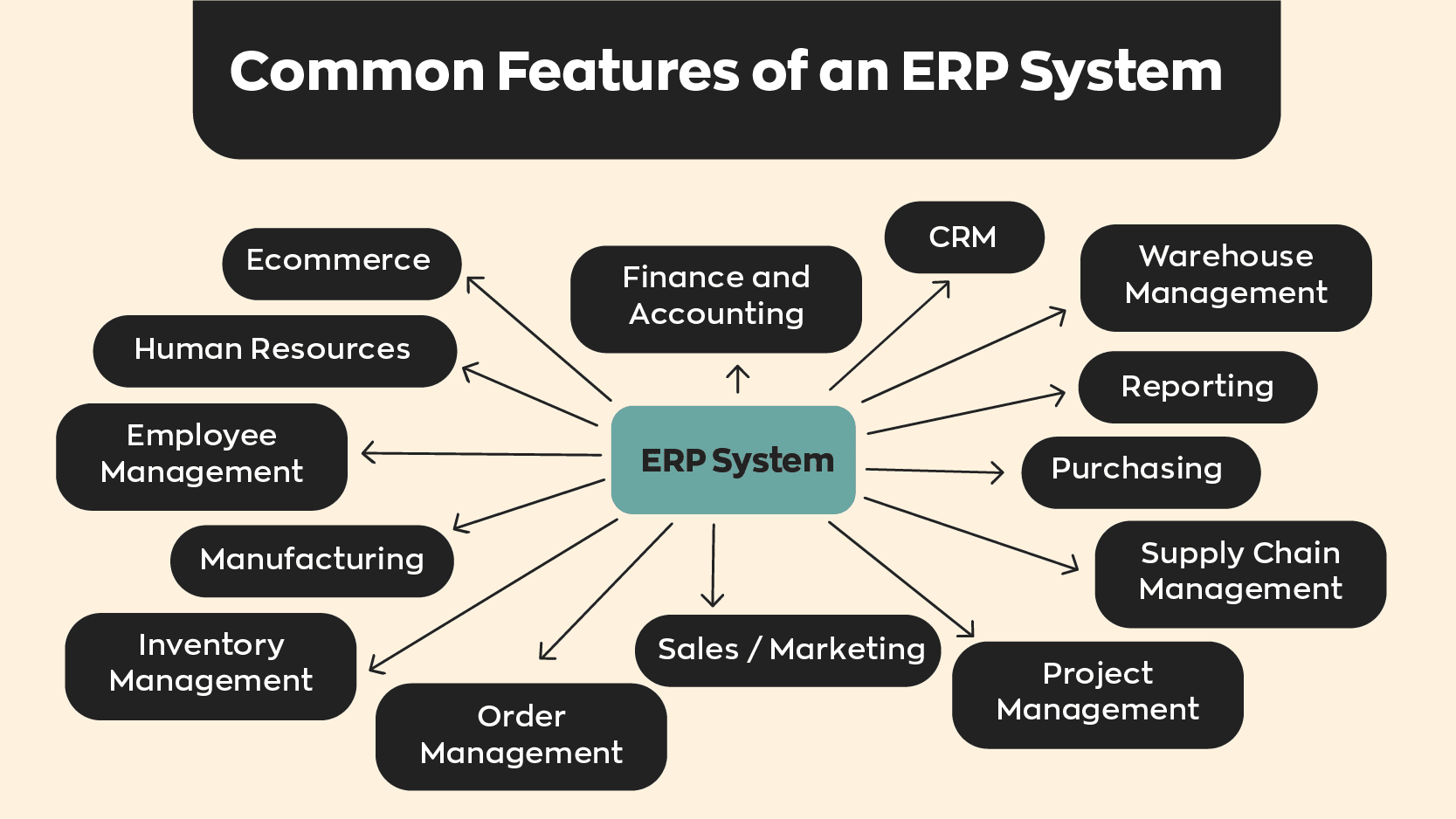
First and foremost, you need to assess your business requirements. Consider what areas of your business could benefit from an ERP system. Do you need help managing inventory, tracking sales, or streamlining your financial processes? Make a list of the features and functionalities that are crucial for your business operations.
Next, consider your budget. ERP systems can vary greatly in cost, so it’s important to determine how much you are willing to invest in a system. Remember to factor in not just the initial cost of the software, but also any ongoing maintenance and support fees.
It’s also important to consider the scalability of the ERP system. As your business grows, you want to ensure that your ERP system can grow with you. Look for a system that is flexible and can easily accommodate additional users and data as your business expands.
Another important factor to consider is the ease of use of the ERP system. Your employees will be the ones using the system on a daily basis, so it’s crucial that it is intuitive and user-friendly. Look for a system that offers a clean and organized interface, as well as comprehensive training and support resources.
Additionally, consider the integration capabilities of the ERP system. You want a system that can seamlessly integrate with your existing software and systems, such as your CRM or accounting software. This will help ensure a smooth transition and maximize the efficiency of your operations.
Lastly, don’t forget to research the reputation and track record of the ERP system provider. Look for reviews and customer testimonials to get an idea of the system’s reliability and customer satisfaction. Choose a reputable provider with a history of delivering quality ERP solutions to small businesses.
By carefully considering these factors and doing thorough research, you can choose the right small business ERP system that will help optimize your operations and drive growth for your company.
Integration and Scalability in Small Business ERP Systems
Integration and scalability are two key factors to consider when implementing a small business ERP system. Integration refers to the ability of the ERP system to seamlessly connect with other software applications and systems within the organization. This is important because it allows for real-time data sharing and communication between different departments, improving overall efficiency and productivity.
Scalability, on the other hand, refers to the ability of the ERP system to grow and adapt to the changing needs of the business. As a small business expands and evolves, its ERP system should be able to accommodate increased users, data, and processes without major disruptions. Scalability ensures that the ERP system can support the growth of the business without the need for a complete system overhaul.
When it comes to integration, small business ERP systems should be able to seamlessly connect with other software applications such as CRM systems, accounting software, and inventory management systems. This integration allows for the sharing of data across different platforms, reducing the need for manual data entry and ensuring consistency and accuracy of information.
Furthermore, integration with external systems such as supplier portals and e-commerce platforms can also streamline business processes and improve customer experience. For example, an integrated ERP system can automatically update inventory levels on an e-commerce website, preventing overselling and ensuring timely order fulfillment.
Scalability is also crucial for small business ERP systems, as it allows the system to grow with the business. As a company adds new users, expands its product lines, or enters new markets, the ERP system should be able to accommodate these changes without compromising performance or functionality.
Scalability also ensures that the small business ERP system can handle increased data volumes and processing requirements. This is particularly important for businesses that experience seasonal fluctuations in demand or rapid growth spurts. A scalable ERP system can adapt to these changes without causing disruptions to daily operations.
In conclusion, integration and scalability are essential considerations when choosing a small business ERP system. An integrated system allows for seamless data sharing and communication across different software applications, while scalability ensures that the system can grow and evolve with the business. By choosing an ERP system that prioritizes integration and scalability, small businesses can streamline their operations, improve efficiency, and adapt to changing market conditions.
Common Challenges in Implementing a Small Business ERP System
Implementing an ERP system in a small business can be a daunting task, presenting various challenges that need to be addressed for a successful implementation. Below are some common challenges that small businesses face when implementing an ERP system:
1. Limited Resources: One of the biggest challenges for small businesses when implementing an ERP system is the lack of resources. Small businesses often have limited budgets, IT staff, and time to dedicate to the implementation process. This can result in delays, inadequate training, and a lack of support for the system, ultimately hindering its effectiveness.
2. Resistance to Change: Another common challenge is resistance to change among employees. Many employees may be resistant to adopting new processes and technologies, especially if they have been using manual methods for a long time. This resistance can lead to poor adoption rates and hinder the success of the ERP system.
3. Data Migration: Data migration is another challenge that small businesses face when implementing an ERP system. Migrating data from old systems to the new ERP system can be a complex and time-consuming process, requiring careful planning and execution. Inaccurate or incomplete data migration can result in errors, delays, and inconsistencies in the system.
4. Customization: Customizing an ERP system to fit the unique needs of a small business can also be a challenge. While ERP systems offer a wide range of features and functionalities, not all of them may be relevant or useful to a small business. Customizing the system to meet specific requirements can be complex and costly, requiring expertise and resources that may not be readily available to small businesses.
Overall, implementing an ERP system in a small business requires careful planning, resource allocation, and change management to overcome these common challenges. By addressing these challenges proactively and seeking assistance from ERP experts, small businesses can successfully implement an ERP system that improves efficiency, productivity, and decision-making.
Success Stories of Small Businesses using ERP Systems
Small businesses have found great success in implementing ERP systems to streamline their operations and increase efficiency. Here are five inspiring stories of small businesses that have leveraged ERP systems to propel their growth:
1. ABC Clothing Co: ABC Clothing Co, a small boutique clothing store, implemented an ERP system to help manage their inventory and streamline their supply chain. With the ERP system in place, they were able to accurately track their stock levels, optimize their ordering process, and reduce their lead times. As a result, ABC Clothing Co saw a significant increase in sales and customer satisfaction.
2. XYZ Electronics: XYZ Electronics, a small electronics repair shop, struggled with managing their customer database and tracking their repair jobs. By implementing an ERP system, they were able to centralize their customer information, track repair statuses in real-time, and provide more accurate estimates to their customers. This improved efficiency has helped XYZ Electronics increase their revenue and repeat business.
3. LMN Manufacturing: LMN Manufacturing, a small family-owned manufacturing company, implemented an ERP system to improve their production scheduling and quality control processes. With the ERP system, they were able to streamline their production planning, monitor quality control metrics, and reduce waste in their manufacturing processes. This led to increased productivity, reduced costs, and improved customer satisfaction for LMN Manufacturing.
4. DEF Consulting: DEF Consulting, a small IT consulting firm, struggled with managing their projects and resources efficiently. By implementing an ERP system, they were able to better track project progress, allocate resources effectively, and monitor project profitability. This improved project management has helped DEF Consulting deliver projects on time and within budget, leading to higher client satisfaction and repeat business.
5. GHI Restaurant: GHI Restaurant, a small family-owned restaurant, implemented an ERP system to help streamline their operations and improve customer service. With the ERP system, they were able to optimize their inventory management, track customer preferences, and analyze sales data to make informed business decisions. This has helped GHI Restaurant reduce food waste, improve their menu offerings, and enhance the overall dining experience for their customers.
These success stories highlight how small businesses can benefit from implementing ERP systems to optimize their operations and drive growth. By leveraging ERP technology, small businesses can improve efficiency, reduce costs, and enhance their competitive advantage in the marketplace.
Originally posted 2025-12-30 03:49:37.