Hris For Small Companies
Welcome, small business owners! Have you ever felt overwhelmed by the amount of paperwork and administrative tasks involved in managing your employees? Well, you’re not alone. Luckily, there’s a solution that can simplify your HR processes and save you time and money – HRIS (Human Resources Information System). By implementing an HRIS system, small businesses can streamline their HR tasks, improve efficiency, and make better strategic decisions. Let’s explore how HRIS can benefit small businesses and why it’s a game-changer for your company.

Understanding the role of HRIS in small companies
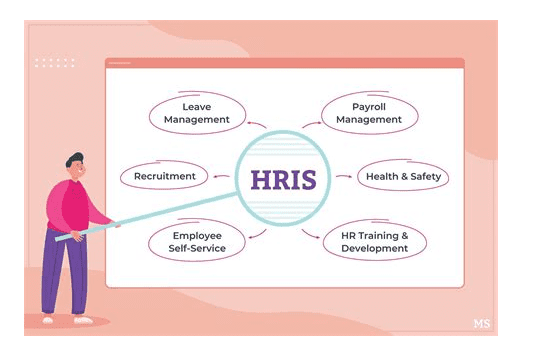
Human Resource Information Systems (HRIS) play a critical role in small companies by helping them streamline their HR processes and improve overall efficiency. These systems are designed to automate and manage various HR tasks, such as payroll, employee onboarding, time tracking, performance management, and more. By implementing an HRIS, small companies can eliminate manual processes, reduce errors, and save time and resources.
One of the key benefits of HRIS for small companies is improved data management. HRIS systems store all employee information in one centralized location, making it easier to access and manage. This helps small companies stay organized and compliant with regulations, as they can easily track important information such as employee certifications, performance reviews, and attendance records.
Additionally, HRIS systems can help small companies improve their recruiting and onboarding processes. These systems can automate job postings, applicant tracking, and candidate screening, making it easier for small companies to find and hire the right talent. Once a new employee is hired, HRIS systems can also streamline the onboarding process by providing new hires with all the necessary forms and information they need to get started.
Another important role of HRIS in small companies is in payroll and benefits administration. HRIS systems can automate payroll calculations, tax deductions, and benefits enrollment, reducing the risk of errors and ensuring that employees are paid accurately and on time. This not only saves time for small companies but also improves employee satisfaction by providing a seamless and efficient payroll process.
Furthermore, HRIS can help small companies track and manage employee performance and development. These systems can automate performance reviews, goal setting, and training programs, allowing small companies to easily monitor employee progress and provide feedback. By having access to this data, small companies can identify areas for improvement and support employee growth and development.
In conclusion, HRIS play a crucial role in helping small companies effectively manage their HR processes and improve overall efficiency. By automating tasks, improving data management, streamlining recruiting and onboarding, and enhancing payroll and benefits administration, HRIS systems provide small companies with the tools they need to succeed in today’s competitive business environment.
Benefits of implementing HRIS for small businesses
Implementing a Human Resource Information System (HRIS) can provide small businesses with a multitude of benefits. HRIS software can streamline various HR processes, saving time and reducing the likelihood of errors. This technology automates tasks such as payroll processing, employee data management, benefits administration, and recruitment. By centralizing all HR data and processes in one system, small businesses can improve efficiency and productivity.
One of the key benefits of implementing HRIS for small businesses is cost savings. By automating manual HR tasks, companies can reduce the need for additional staff to handle administrative duties. This can lead to significant cost savings in terms of payroll expenses. Additionally, by streamlining processes and reducing the likelihood of errors, HRIS software can help small businesses avoid costly mistakes that could result in fines or legal fees.
Furthermore, HRIS software can provide small businesses with valuable insights into their workforce. By tracking employee data such as performance reviews, training records, and attendance, companies can identify trends and make more informed decisions. For example, HRIS software can help businesses identify top performers and create targeted development opportunities to retain these employees.
Another benefit of implementing HRIS for small businesses is improved compliance. HRIS software can help small businesses stay up-to-date with changing labor laws and regulations by automatically updating policies and procedures. This can help companies avoid compliance issues and potential legal risks.
Additionally, HRIS software can improve communication within the organization. By providing employees with self-service options to update personal information, access company policies, and request time off, companies can empower their workforce and improve engagement. This can lead to higher employee satisfaction and retention rates.
In conclusion, implementing HRIS for small businesses can provide a wide range of benefits, including cost savings, improved efficiency, better insights into workforce data, enhanced compliance, and improved communication. By investing in HRIS technology, small businesses can streamline their HR processes, reduce administrative burden, and focus on strategic initiatives to drive business growth.
Key features to look for when choosing HRIS for small companies
When choosing an HRIS for a small company, there are several key features that you should consider to ensure that the system meets your needs and helps streamline your HR processes. Here are some important features to look for:
1. User-friendly interface: One of the most important features to consider when choosing an HRIS for a small company is the user-friendly interface. The system should be easy to navigate and use, even for employees who may not be tech-savvy. Look for a system that offers a clean, intuitive interface with clear navigation and easy access to important features.
2. Customization options: Another important feature to look for in an HRIS for a small company is customization options. Small companies may have unique needs and processes that require a tailored solution. Look for a system that allows you to customize fields, forms, and workflows to match your company’s specific requirements.
3. Integration with other systems: It is essential for an HRIS to seamlessly integrate with other systems that your company uses. Whether it’s payroll, time tracking, or performance management software, the HRIS should be able to share data and communicate with these systems to avoid duplicate data entry and ensure accuracy. Integration with other systems can also help automate processes and improve efficiency across the organization.
4. Reporting and analytics: A good HRIS for small companies should offer robust reporting and analytics capabilities. The system should allow you to generate custom reports on key HR metrics, such as turnover rates, employee performance, and training completion. Look for a system that offers data visualization tools and real-time reporting to help you make informed decisions and track the effectiveness of your HR initiatives.
5. Mobile accessibility: In today’s digital age, it’s important for an HRIS to offer mobile accessibility. Look for a system that has a mobile app or a responsive design that allows employees to access the system from their smartphones or tablets. Mobile accessibility can help remote employees stay connected, enable on-the-go approvals, and streamline communication within the organization.
6. Scalability: As your small company grows, your HRIS needs may evolve as well. Look for a system that is scalable and can grow with your business. Consider the system’s ability to handle an increasing number of employees, support additional features, and adapt to changing business needs. Choosing a scalable HRIS can help future-proof your investment and avoid the need for frequent system upgrades or replacements.
By considering these key features when choosing an HRIS for a small company, you can select a system that meets your needs, improves efficiency, and helps you better manage your HR processes.
Overcoming challenges in implementing HRIS for small businesses
Implementing a Human Resource Information System (HRIS) can be a daunting task for small businesses due to various challenges they may face along the way. However, with proper planning and strategies, these challenges can be overcome efficiently.
1. Budget constraints:
One of the major challenges for small businesses when implementing an HRIS is budget constraints. Purchasing and implementing an HRIS can be costly, and small businesses may not have the financial resources to invest in a high-end system. To overcome this challenge, small businesses can consider opting for cloud-based HRIS solutions that offer affordable pricing plans and pay-as-you-go options. Additionally, they can explore open-source HRIS software that is cost-effective and customizable to meet their specific needs.
2. Limited IT resources:
Another challenge faced by small businesses is limited IT resources. Small businesses may not have an in-house IT team to handle the implementation and maintenance of an HRIS. To overcome this challenge, small businesses can consider outsourcing the implementation of the HRIS to a third-party vendor or consultant. These experts can provide the necessary support and guidance to ensure the successful implementation of the HRIS.
3. Resistance to change:
Resistance to change is a common challenge faced by small businesses when implementing an HRIS. Employees may be hesitant to adopt new technology and processes, leading to resistance and reluctance to use the system. To overcome this challenge, small businesses can involve employees in the decision-making process and provide training and support to help them understand the benefits of the HRIS. Communication and transparency are key in addressing employees’ concerns and gaining their buy-in for the new system.
4. Lack of HR expertise:
Small businesses may also face a challenge in implementing an HRIS due to a lack of HR expertise. Without HR professionals with experience in managing HR software, small businesses may struggle to effectively implement and utilize the HRIS. To overcome this challenge, small businesses can provide training and development opportunities for existing HR staff to enhance their skills and knowledge in using the HRIS. Additionally, they can consider hiring external HR consultants or experts to assist in the implementation and provide ongoing support.
In conclusion, while implementing an HRIS for small businesses may come with its own set of challenges, with careful planning, strategy, and support from experts, these challenges can be overcome successfully. By addressing budget constraints, limited IT resources, resistance to change, and lack of HR expertise, small businesses can effectively implement an HRIS to streamline their HR processes and improve overall efficiency.
Best practices for successful HRIS utilization in small companies
Human Resource Information Systems (HRIS) can greatly benefit small companies by streamlining HR processes and improving efficiency. However, to fully maximize the benefits of HRIS, small companies need to follow some best practices for successful utilization. Here are some tips to help small companies successfully implement and utilize HRIS:
1. Define clear objectives
Before implementing an HRIS, small companies should clearly define their objectives and goals. Whether it’s to improve employee engagement, streamline recruitment processes, or automate payroll, having clear objectives will help in selecting the right HRIS system and setting up the necessary processes for successful utilization.
2. Involve all stakeholders
It’s important to involve all stakeholders in the implementation and utilization of HRIS. This includes HR professionals, IT staff, managers, and employees. By involving all stakeholders, small companies can ensure that the HRIS system meets the needs of everyone involved and that all employees are onboard with the new system.
3. Provide proper training
Training is crucial for the successful utilization of HRIS in small companies. Ensure that all employees who will be using the system are properly trained on how to use it effectively. This will help to minimize errors and ensure that everyone is able to take full advantage of the system’s capabilities.
4. Regularly update and maintain the system
HRIS systems are not static – they require regular updates and maintenance to ensure optimal performance. Small companies should regularly update their HRIS system to take advantage of new features and functionalities, as well as to address any security concerns. Regular maintenance will also help to prevent system downtime and ensure that the system is running smoothly.
5. Seek feedback and make improvements
One of the most important best practices for successful HRIS utilization in small companies is to seek feedback from users and make continuous improvements to the system. Regularly soliciting feedback from employees on the usability and effectiveness of the HRIS system will help small companies identify areas for improvement and make necessary changes to enhance the user experience.
By following these best practices, small companies can successfully implement and utilize HRIS to streamline HR processes, improve efficiency, and enhance the overall employee experience.
Originally posted 2025-12-30 03:50:37.